
Startup develops wearable Sensor to Detect Drink Spiking and Alert Emergency Contacts
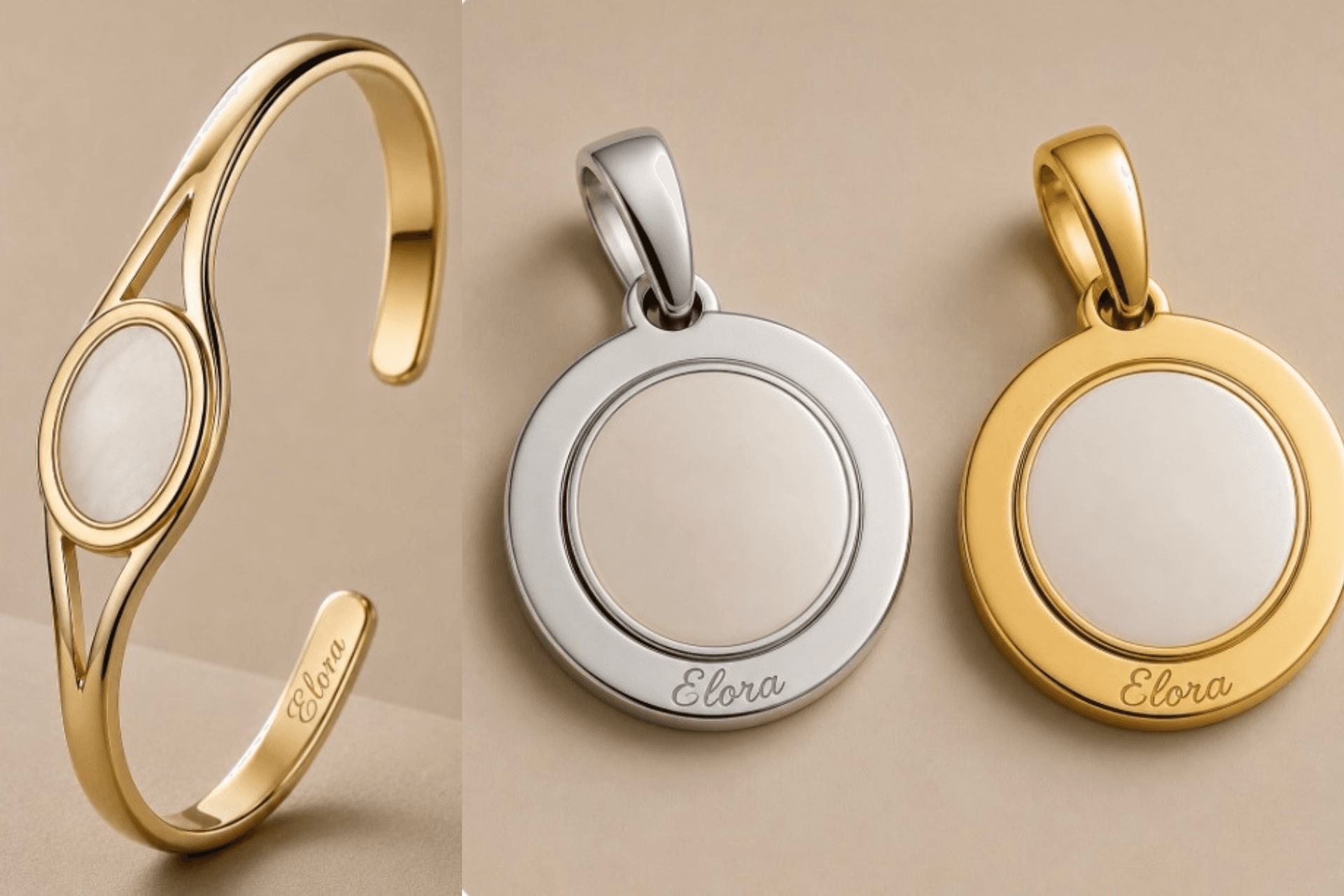
Two recent college graduates are developing Elora, a wearable jewelry sensor designed to detect drink-spiking drugs and alert emergency contacts through an app.

Article Summary
- Two recent graduates are developing Elora, a wearable sensor embedded in jewelry that detects drink tampering and alerts emergency contacts.
- The sensor uses electrochemical analysis, requires a drop of the drink, and takes about 30 seconds to deliver results via a SIM card that lasts 10 tests.
- Elora plans to launch before the 2028 Olympics, with beta testing starting in fall 2027, aiming to prevent thousands of drug-facilitated sexual assaults by 2030.
Since 2025, concerns surrounding drink spiking have continued to grow across the U.S., with 50% of surveyed individuals reporting they have had their drink spiked at least once, according to CounterSpike. Another survey of 6,000 students across three U.S. universities found that 7.8% of respondents self-reported being drugged.
According to Alcohol.org, an estimated 320,000 rapes and sexual assaults occurred in 2016, with 11.2% involving college students.
Now, two recent college graduates are developing a new tool designed to help detect drink tampering and provide another layer of safety for people while they are out.
Product Idea
After researching the issue and speaking with members of their volleyball team, co-founders Addison Bounds and Kiara Robichada realized how common concerns about drink spiking had become among their peers.
"We talked to teammates, and this is a prevalent thing women have concerns about. There is this lingering fear, and they don't protect themselves because the products that exist are disruptive to the natural experience," Bounds said.
In 2025, Bounds and Robichada began developing Elora, a wearable sensor built into jewelry and pendants designed to create a more discreet way for people to check their drinks while out.
The company has received more than $60,000 in funding through grants and competitions to help bring the product from an idea to development.
How It Works
Elora uses electrochemical analytical sensors embedded into wearable options, including bracelets, pendants and charms. Users will insert a small SIM card into the sensor before placing a drop of their drink onto the device to receive test results.
"When a user purchases the product, they will choose an emergency contact who they think would best support them if there is a positive test. The app will notify the emergency contact with your location to provide support," Robichada said. "This added feature is intended to put responsibility on the community, not just the individual."
Currently, the sensor takes about 30 seconds to process results, but Robichada said the company is working to make the testing process faster.
Each SIM card is expected to be replaced after 10 tests to help maintain accuracy.
Outreach
Elora plans to launch before the 2028 Olympics as the company looks to reach a global market.
Bounds estimates the product could help prevent 14,000 drug-facilitated sexual assaults by 2030 after launch. The estimate is based on the company's research and projections about the number of people who could use the technology.
Elora began development in 2025 and recently completed its first prototype. The company is now focused on community outreach, education and expanding the sensor's detection capabilities.
The next six to seven months will focus on improving detection technology and working with jewelry companies on the product design. Beta testing is expected to begin in fall 2027 with selected sororities to collect user feedback and additional data.
For Bounds and Robichada, the goal extends beyond creating a product.
"The biggest thing we are trying to put at the forefront is emphasizing the issue and the need for all hands on deck to bring the community together to fight this," Bounds said. "We need to create a community in Tampa, and in general, that acknowledges this problem. Primary prevention is the only way to stop this from happening and causing harm."
More in Entrepreneurship
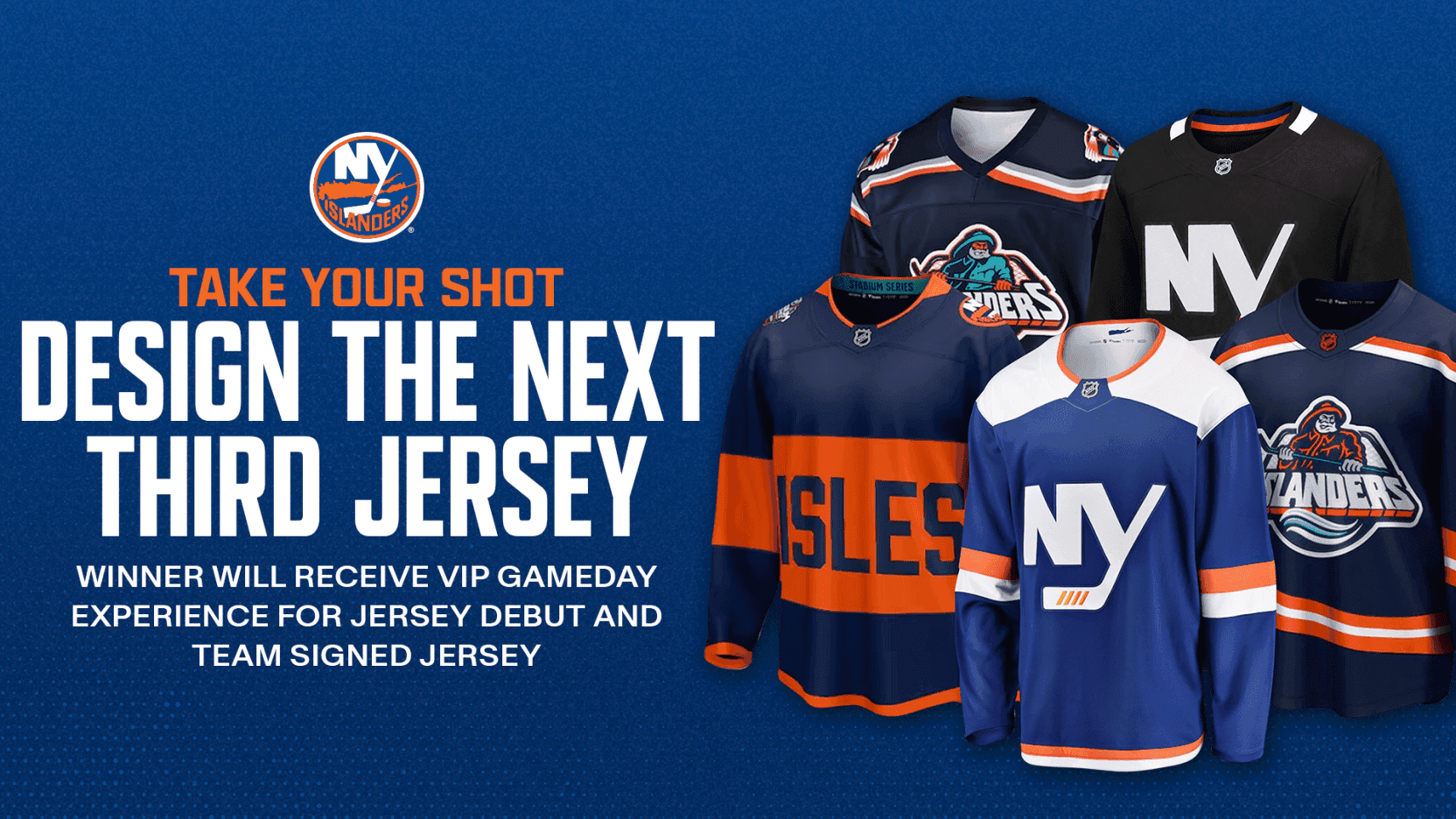
New York Islanders Announce First-of-its-kind Contest
The winner will receive a jersey and tickets to a game to see it in action.
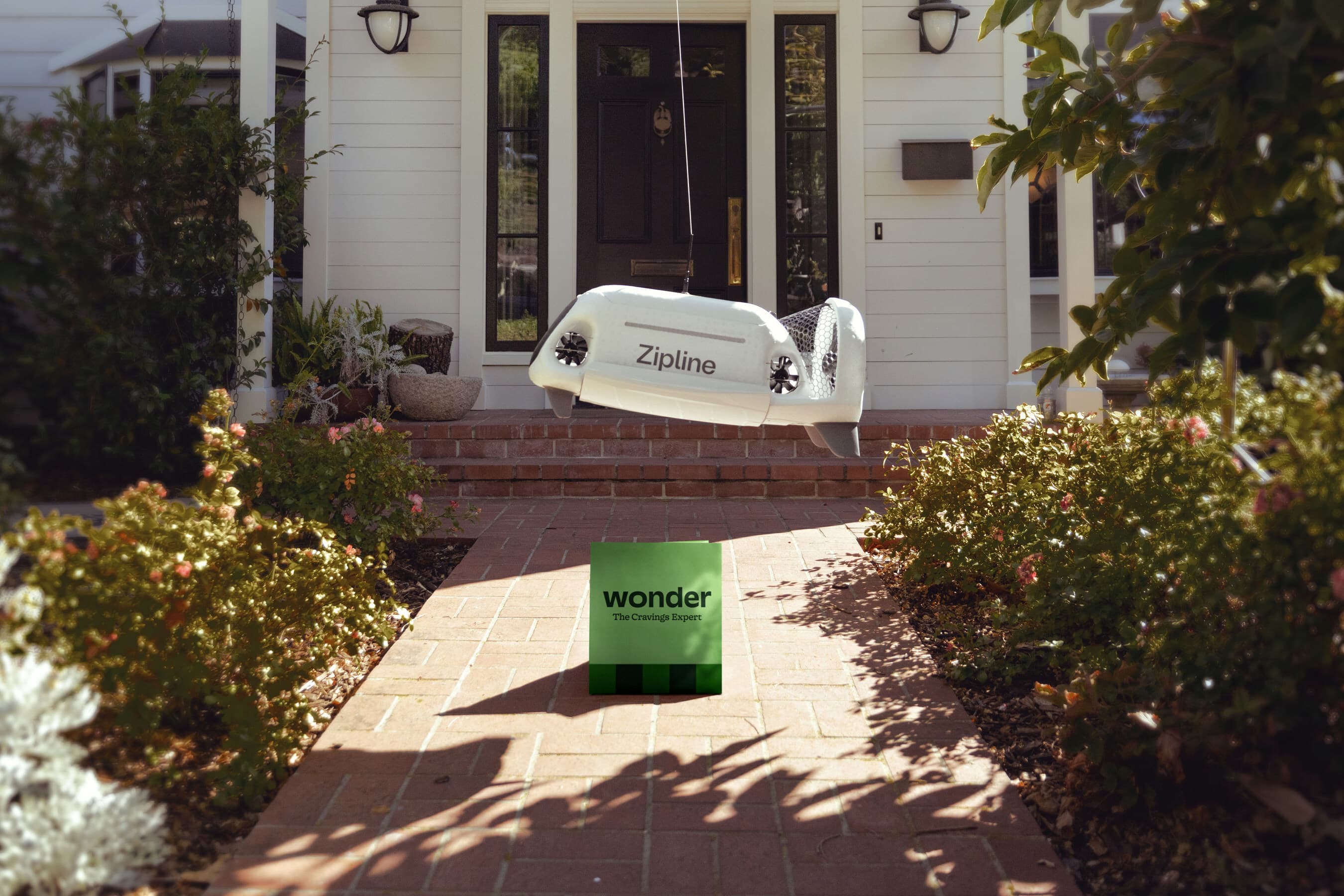
Wonder Announces Drone Delivery Partnership
Starting in January 2027, customers in Texas will have the option to get their takeout orders from Wonder food halls delivered by drone, thanks to a new partnership with Zipline, an autonomous drone delivery service.
From Delivery Driver to Deal Maker: How One USF Student Built Tampa Bay's Discount App
What started as a small newsletter has grown into a Tampa Bay discount app with 100 businesses and 10,000 downloads, built by a USF student with an eye for community.