
Cyclosporiasis Cases Are Rising: What You Need to Know
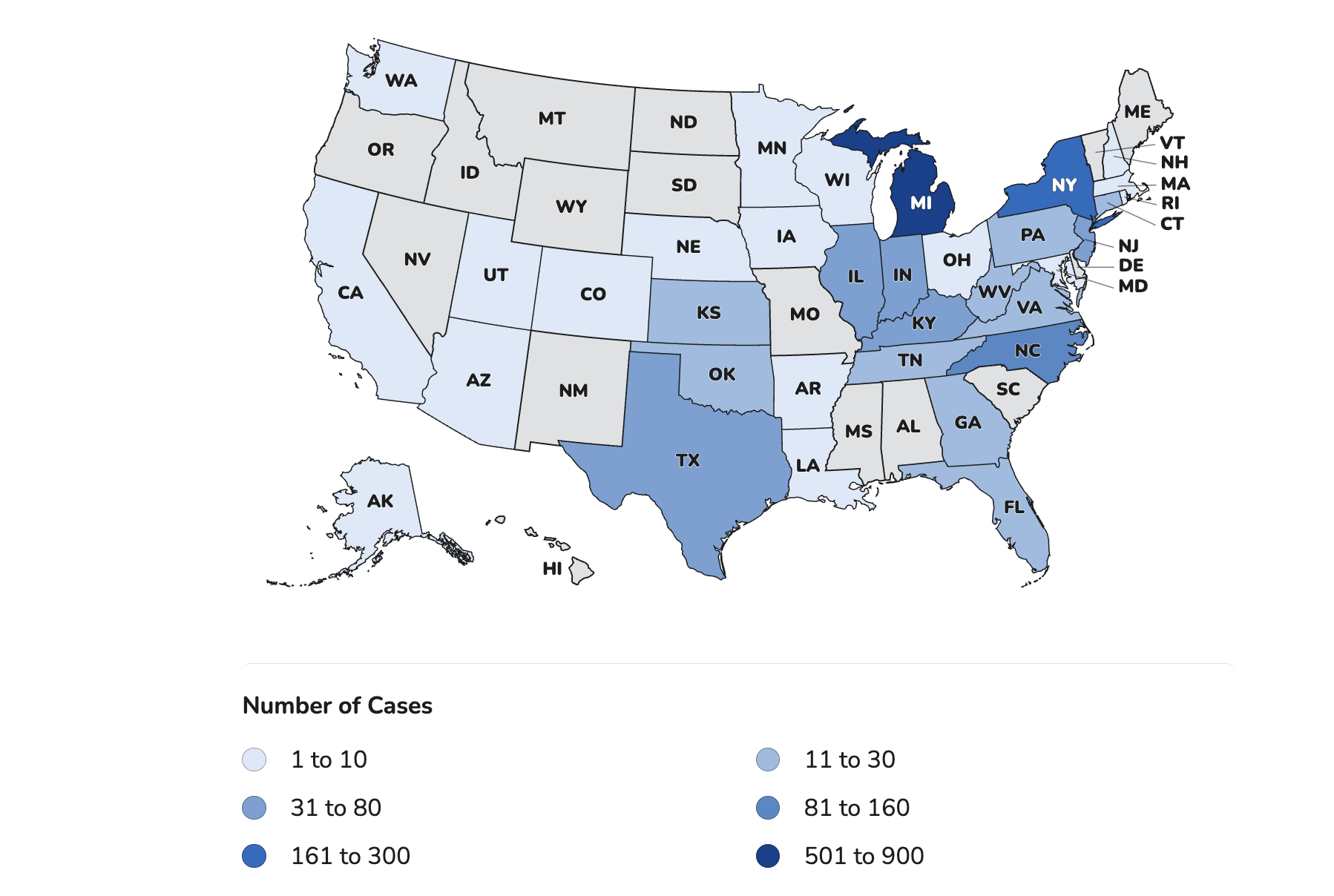
The CDC has confirmed more than 1,600 cases of cyclosporiasis across 34 states. Here's what to know about the foodborne parasite, including symptoms, treatment and how to reduce your risk of infection.

By Leah Burdick
July 16, 2026

Listen
Listen to this article
Article Summary
- Cyclosporiasis is a gastrointestinal illness caused by the Cyclospora parasite, transmitted via imported contaminated produce like basil, cilantro, and raspberries; cases peak from May to August.
- Symptoms include severe watery diarrhea, gas, cramps, and fatigue; without treatment, symptoms can last days to weeks and may recur, and diagnosis requires a stool test treated with antibiotics.
- The CDC reports 1,645 cases across 34 states since May 1, with 141 hospitalizations and no deaths; prevention involves handwashing and thoroughly rinsing produce.
Article summary generated by AI
From bagged salads to fresh herbs, imported produce can sometimes carry a microscopic parasite that is leaving thousands of people battling weeks of stomach issues.
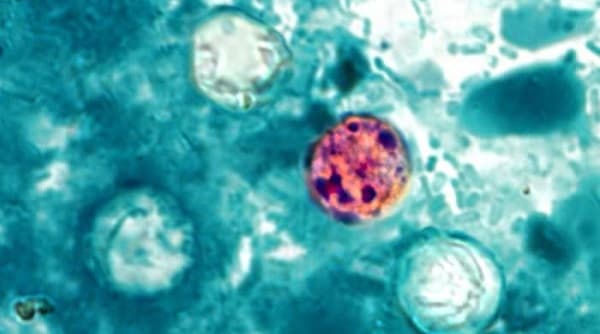
Cyclosporiasis is a gastrointestinal illness caused by the microscopic parasite Cyclospora cayetanensis. The disease has been reported in 34 states, and the Centers for Disease Control and Prevention (CDC) has confirmed 1,645 cases since May 1, according to data updated July 13.
Of those cases, 141 people have been hospitalized. No deaths have been reported.
How cyclosporiasis is transmitted
People become infected with cyclosporiasis by consuming food or water contaminated with the parasite Cyclospora cayetanensis, according to the CDC.
"Cyclospora does not exist in the U.S. It is imported in contaminated foods," said Jill Roberts, a professor in the College of Public Health at the University of South Florida.
Cases typically increase during the spring and summer, making cyclosporiasis season run from May 1 through Aug. 31.
While anyone can become infected, the risk is higher for people who consume imported produce because the parasite is commonly introduced through contaminated foods grown outside the United States.
According to the Cleveland Clinic, imported foods that have been linked to cyclosporiasis outbreaks include:
Basil
Bagged salads and salad mixes
Cilantro
Mesclun lettuce
Parsley
Raspberries
Snow peas
Sweet peas
Symptoms and treatment
The most common symptom of Cyclospora cayetanensis infection is watery diarrhea, which can be severe.
"The disease is annoying, but rarely is it serious. The infection causes long-lasting diarrhea, which can be described as explosive. There is a lot of gas produced, causing abdominal pain, passing gas and even burping," Roberts said.
Other symptoms may include:
Loss of appetite
Bloating
Burping
Excessive gas
Fatigue
Low-grade fever
Stomach cramps
Nausea
Vomiting
The Cleveland Clinic notes that some people infected with the parasite may not experience any symptoms.
Without treatment, symptoms can last several days or longer and may return multiple times, according to health officials.
The only way to diagnose cyclosporiasis is through stool sample testing performed by a health care provider.
Doctors typically prescribe the antibiotic trimethoprim-sulfamethoxazole, sold under the brand names Bactrim and Septra, to treat the infection.
Prevention
The CDC recommends several steps to reduce the risk of infection:
Wash hands with soap and water before and after handling fresh fruits and vegetables.
Thoroughly rinse produce under running water before eating or preparing it.
Scrub firm produce, such as melons and cucumbers, with a clean produce brush.
Cut away any bruised or damaged areas before eating.
Where the outbreak has been reported
Although the CDC has confirmed 1,645 cases since May 1, health officials believe the true number of infections is likely higher because many cases go undiagnosed or unreported.
Some states have reported significantly more cases than others, according to the CDC.
More in Longevity
Longevity
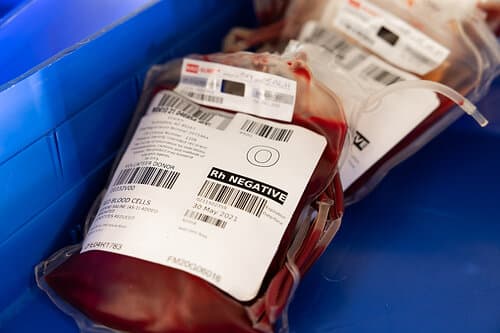
Type O blood supply hits two-year low, Vitalant offers donor incentives
Vitalant is urging eligible type O blood donors to schedule an appointment after its supply dropped to a two-year low. The nonprofit is offering limited-time incentives to encourage donations and help restore its blood inventory.
Longevity
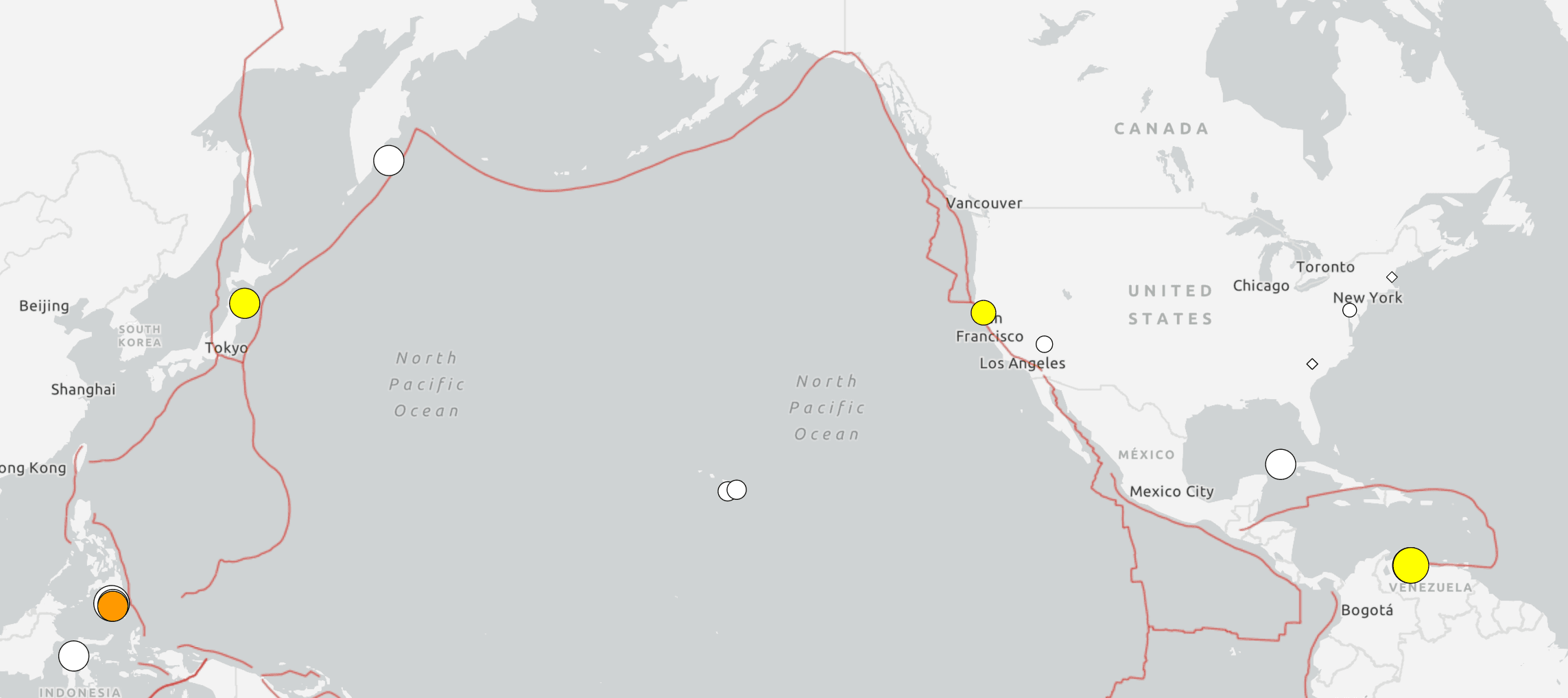
Four major earthquakes hit Venezuela, California and Japan within hours
Four major earthquakes struck across the globe within 12 hours, including deadly back-to-back quakes in Venezuela that killed more than 200 people and injured thousands.
Longevity
Russia Announces Anti-Aging Vaccine Research as Experts Weigh Scientific Challenges
A Russian announcement claiming progress toward an anti-aging vaccine has gained global attention, but questions remain about the science, timeline and whether the technology is ready for human use. Researchers say the project is still in early stages, with no reported human trials underway.