
Paramount-Warner Bros. Merger Temporarily Halted After States File Lawsuit
More than 10 states are challenging Paramount Skydance's proposed merger with Warner Bros. Discovery, arguing the deal could reduce competition and harm consumers, while Paramount says the merger would create a stronger company better positioned to compete in the changing entertainment industry.

By Leah Burdick
July 24, 2026


Listen
Listen to this article
Article Summary
- A dozen U.S. states, led by California, filed a lawsuit to block the $111 billion Paramount-Warner Bros. merger, claiming it would eliminate competition and raise prices for consumers.
- A federal judge granted a 14-day temporary restraining order halting the merger while the court reviews the states' allegations that the deal violates the Clayton Act.
- Paramount argues the merger is necessary to compete with larger rivals like Netflix and that delaying it would harm entertainment workers, pointing to regulatory clearances from multiple countries.
Article summary generated by AI
Multiple states are suing to stop Paramount Skydance's proposed $111 billion merger with Warner Bros. Discovery, arguing the deal would eliminate competition between two major entertainment companies and harm consumers, workers and distributors.
The lawsuit was filed by California, Arizona, Colorado, Connecticut, Massachusetts, Minnesota, Nevada, New Jersey, New Mexico, New York, Oregon and Washington.
The states argue the merger would reduce competition in the entertainment industry, potentially leading to higher prices, lower quality productions and fewer content options for consumers.
“The merger will end this competition permanently,” according to the lawsuit. “The likely result [is] higher prices, lower quality and less content for film.”
The complaint also raises concerns about the impact on movie theaters, cable television distributors and entertainment industry workers.
The merger is not only likely to harm consumers in each Plaintiff State; it could also harm the tens of thousands of production workers who reside in Plaintiff States,” according to the lawsuit.
The lawsuit alleges the proposed transaction violates the Clayton Act, which restricts mergers that may substantially lessen competition.
U.S. District Judge Araceli Martínez-Olguín granted a 14-day temporary restraining order blocking Paramount and Warner Bros. from closing or completing the merger while the court reviews the case.
The court also ordered both parties to prepare a combined chart identifying documents or portions of documents they are requesting to keep sealed through pending administrative motions.
Paramount pushed back against the states’ claims, saying the complaint misrepresents competition within the entertainment industry.
A Paramount spokesperson said the merger would create a stronger, better-capitalized media company that could compete with larger companies such as Netflix.
The spokesperson also said, in a press release, that delaying the transaction could harm entertainment workers who have already been impacted by changes in technology and the evolving media landscape.
In addition to the United States, competition regulators around the world have concluded that the merger will not pose any threat to competition. Paramount has received competition clearances in Australia, Austria, Brazil, Canada, China, the Common Market for Eastern and Southern Africa (COMESA), Kuwait, Montenegro, New Zealand, North Macedonia, Saudi Arabia, Serbia, South Africa, South Korea, and Ukraine. Paramount has also received foreign direct investment (FDI) clearances in Australia, Germany, France, Spain, Slovenia, Belgium, Czechia, New Zealand, Italy, and Romania, said the Paramount spokesperson in the press release.
Paramount CEO David Ellison addressed concerns about the merger in letters to California Attorney General Rob Bonta, according to the press release.
On May 7, 2026, Ellison said companies including Netflix, Amazon and Disney have greater scale in the streaming market, while Paramount and Warner Bros. lack the size needed to compete at the same level. Ellison sent another letter to Bonta on May 28, 2026, arguing the merger has economic benefits and would allow the combined company to invest more heavily in content and compete with larger entertainment companies.
The court has scheduled additional proceedings in the case. Defendants will submit an opposition brief on July 27, plaintiffs will file a reply on July 30, both parties will submit proposed sealing motions on July 31, and a hearing is scheduled for Aug. 3 at 3 p.m. in Oakland.
More in Insights

Insights
RankScore: The AI SEO Tool I Built for Small Businesses That Can’t Afford an Agency
Most small business owners know SEO could bring them customers. The problem is that agencies are expensive, traditional software is complicated, and finding the time to do it yourself is nearly impossible. That is why I built RankScore.
Insights
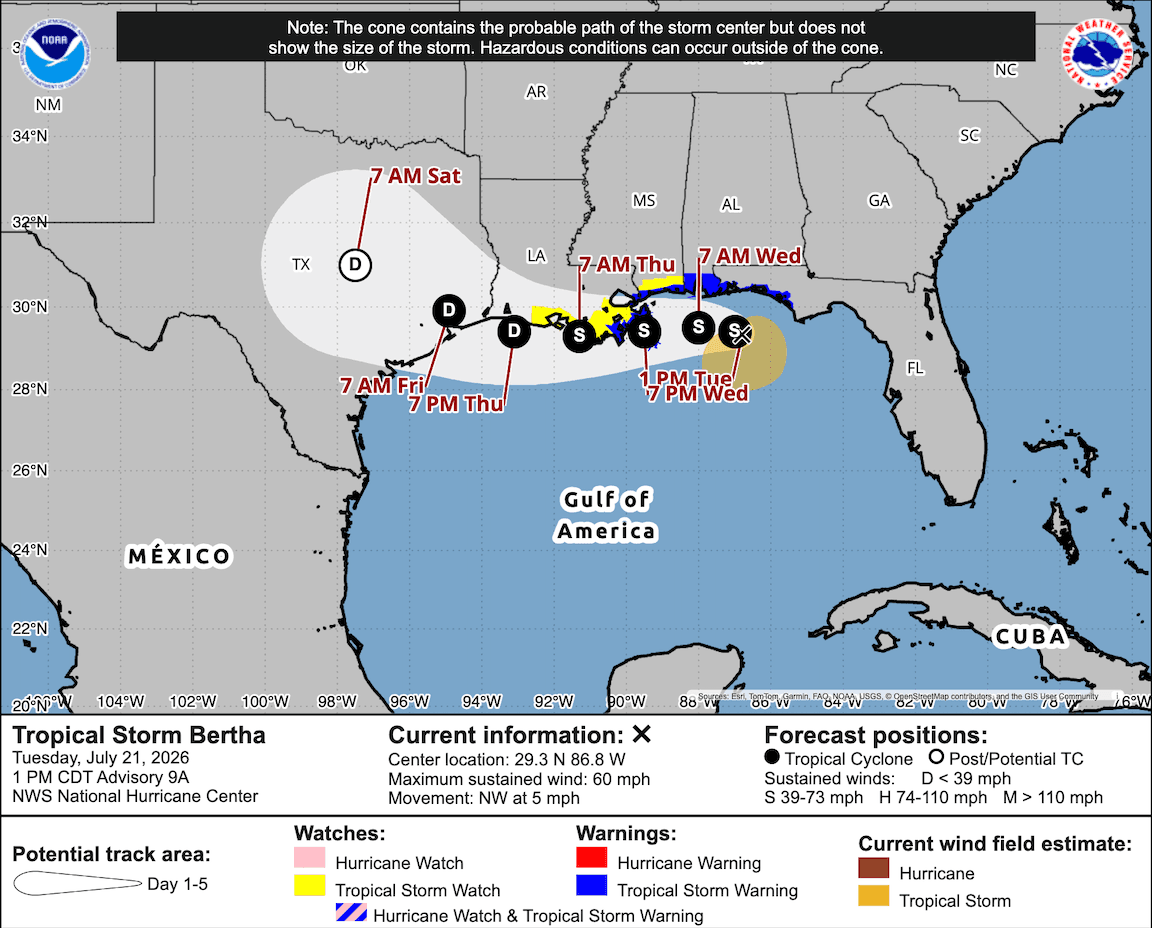
Tropical Storm Bertha strengthens in Gulf with warnings issued along Gulf Coast
Tropical Storm Bertha is strengthening in the Gulf, with tropical storm warnings issued for parts of the Florida Panhandle and Louisiana as the system threatens heavy rainfall, coastal flooding and flash flooding across the Gulf Coast.

Insights
Neil the Seal Returns to Tasmania, Prompting Safety Warnings After Viral Fame
Neil the Seal is back in Tasmania, and the 2,200-pound elephant seal is once again taking over social media with his traffic-stopping antics. While millions enjoy watching his viral adventures, wildlife officials are urging the public to keep their distance for Neil's safety.